Nuestro hijo siempre ha sido sensible.
Él se da cuenta de todo. Le preocupa decepcionar a la gente. Por la noche hace preguntas que parecen demasiado importantes para un niño de seis años. Recientemente, la mayoría de esas preguntas han sido sobre cómo comenzar el primer grado.
¿Qué pasa si no le agrada a su maestro?
¿Qué pasa si no puede encontrar su salón de clases?
¿Qué pasa si los otros niños ya tienen amigos?
¿Qué pasa si nos extraña y comienza a llorar?
Respondimos cada pregunta lo mejor que pudimos. Recorrimos la escuela. Le mostramos dónde lo recogeríamos. Le recordamos que estaba bien sentirse nervioso.
Pero sentía que mis palabras no alcanzaban a calmar su miedo.
Elegí la aventura del coraje porque quería que él viera que ser valiente no significa nunca sentir miedo. Significa dar el siguiente paso aunque tengas un nudo en la guata y prefieras quedarte donde te sientes seguro.
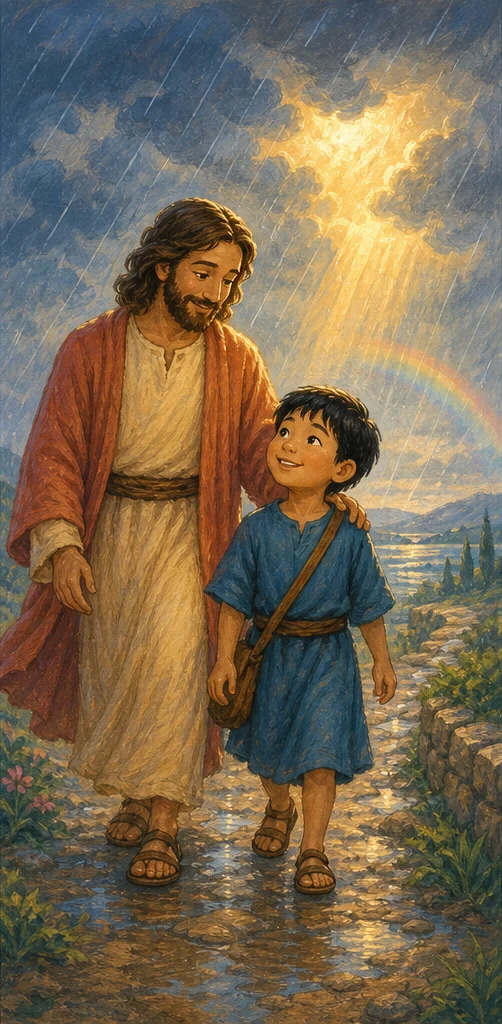
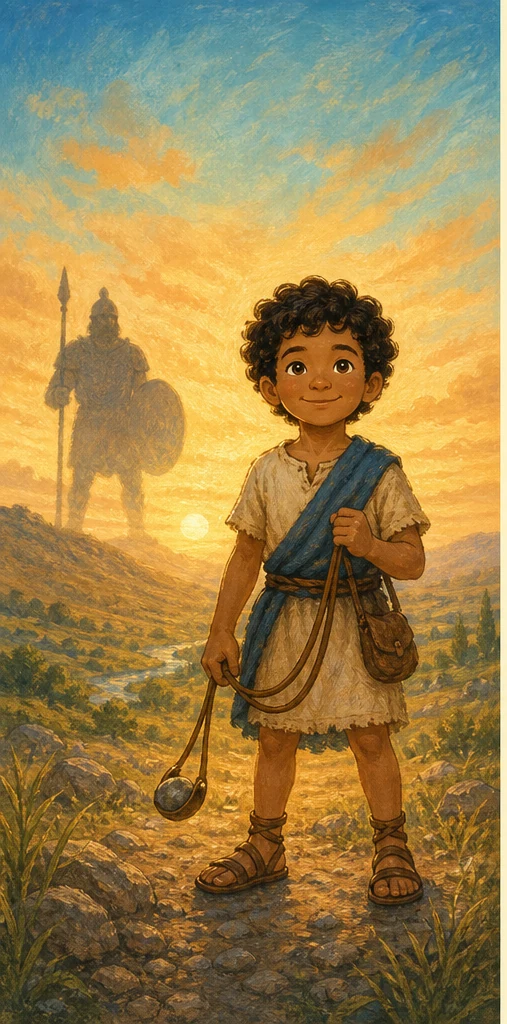
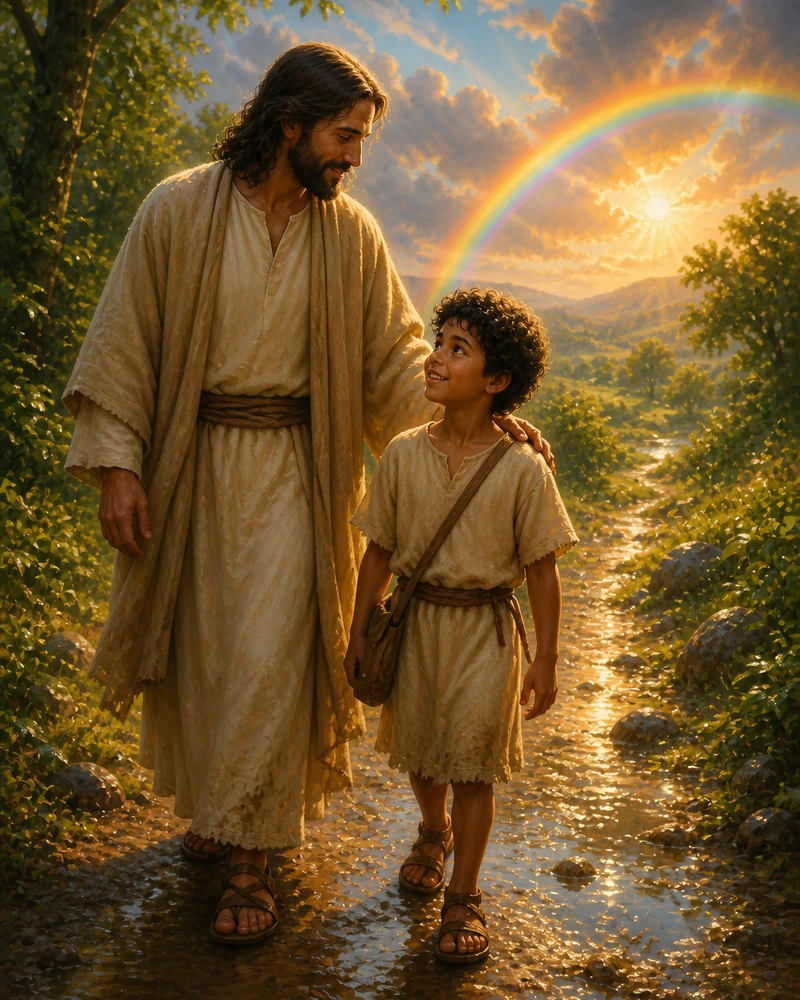
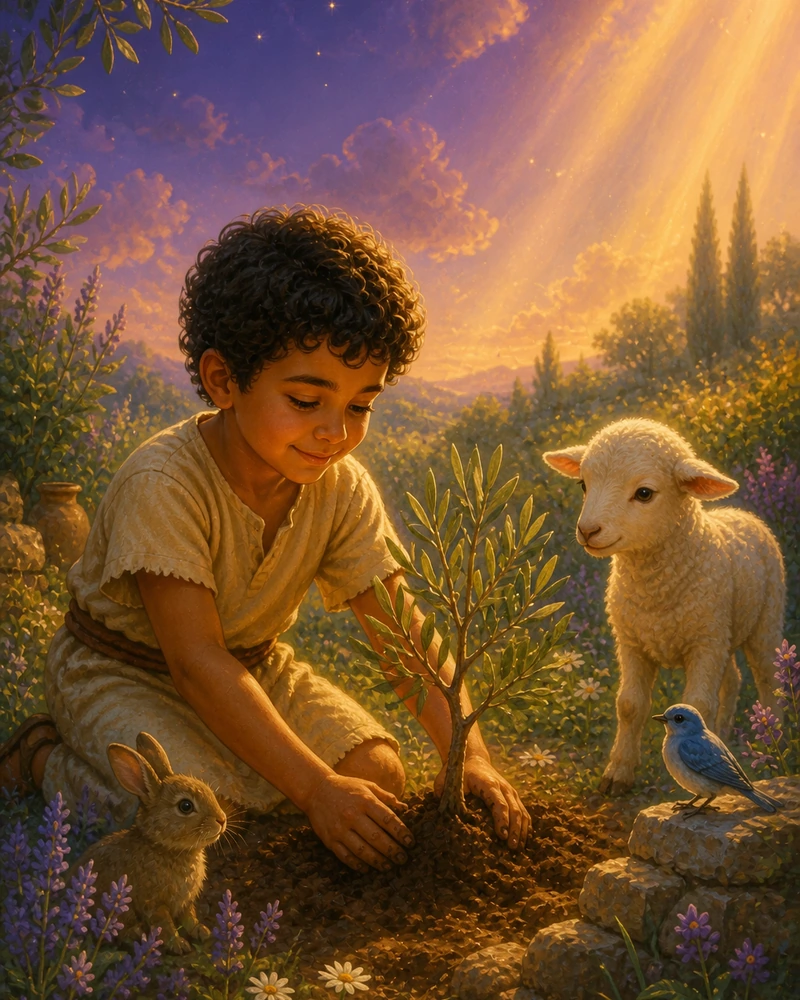
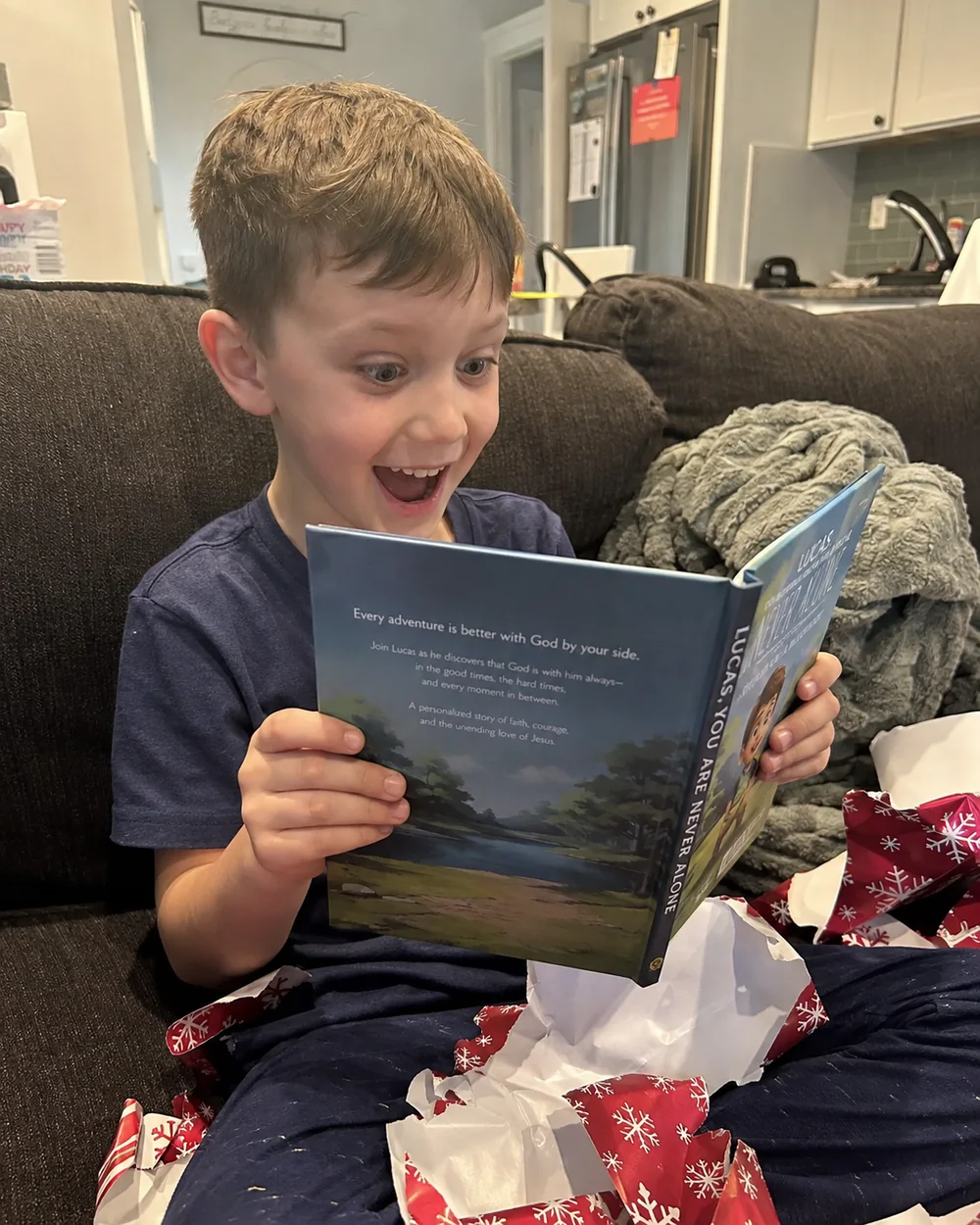
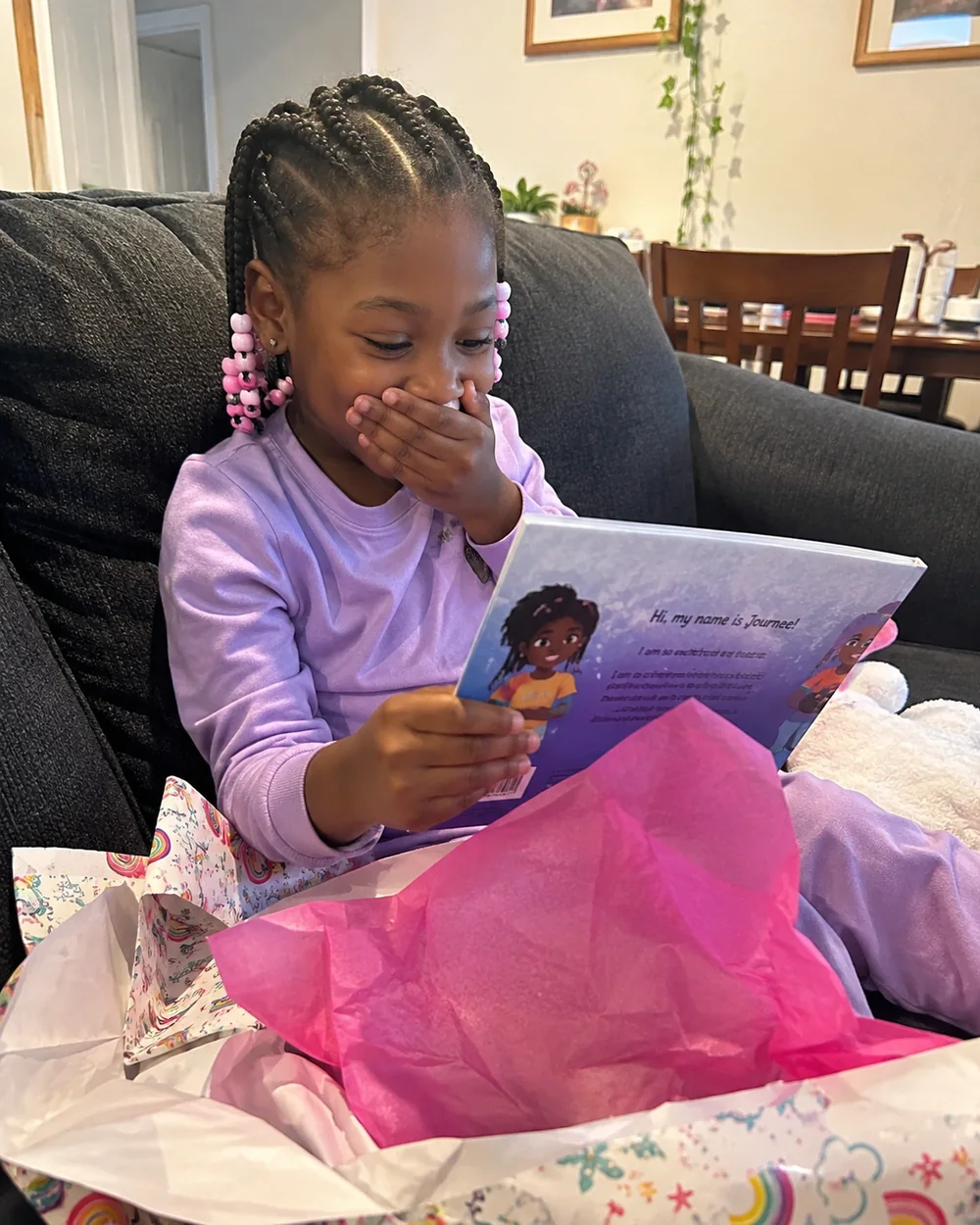
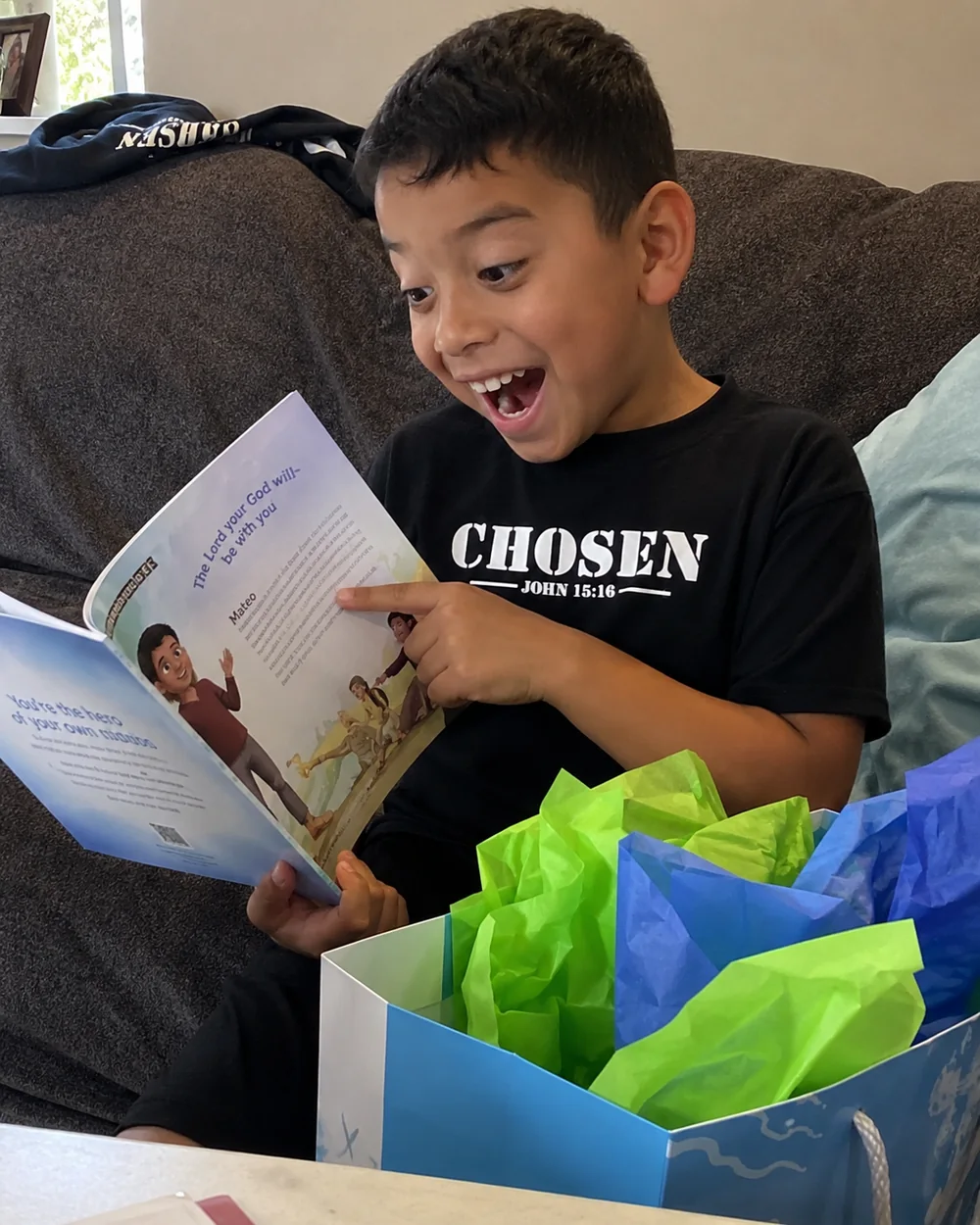
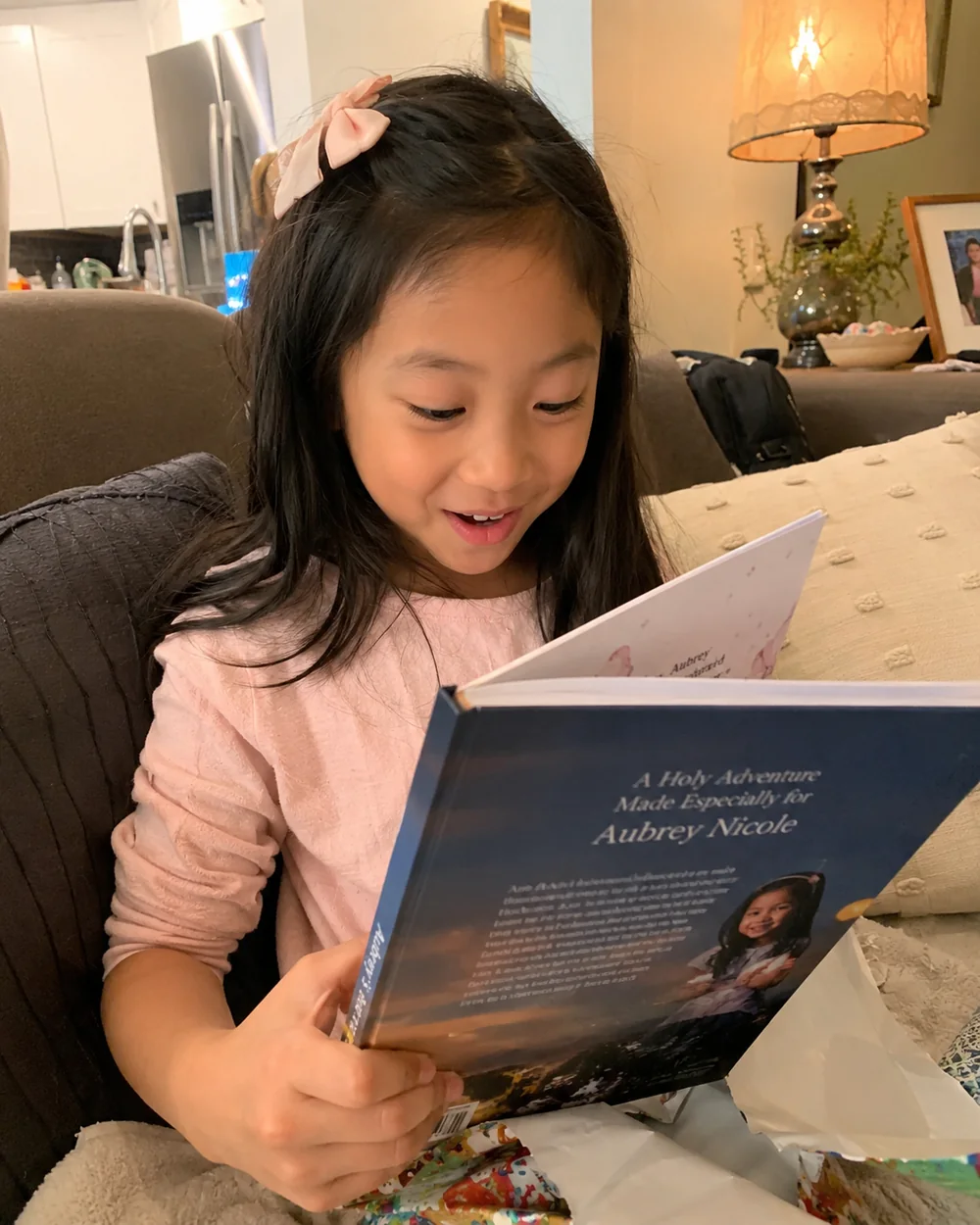
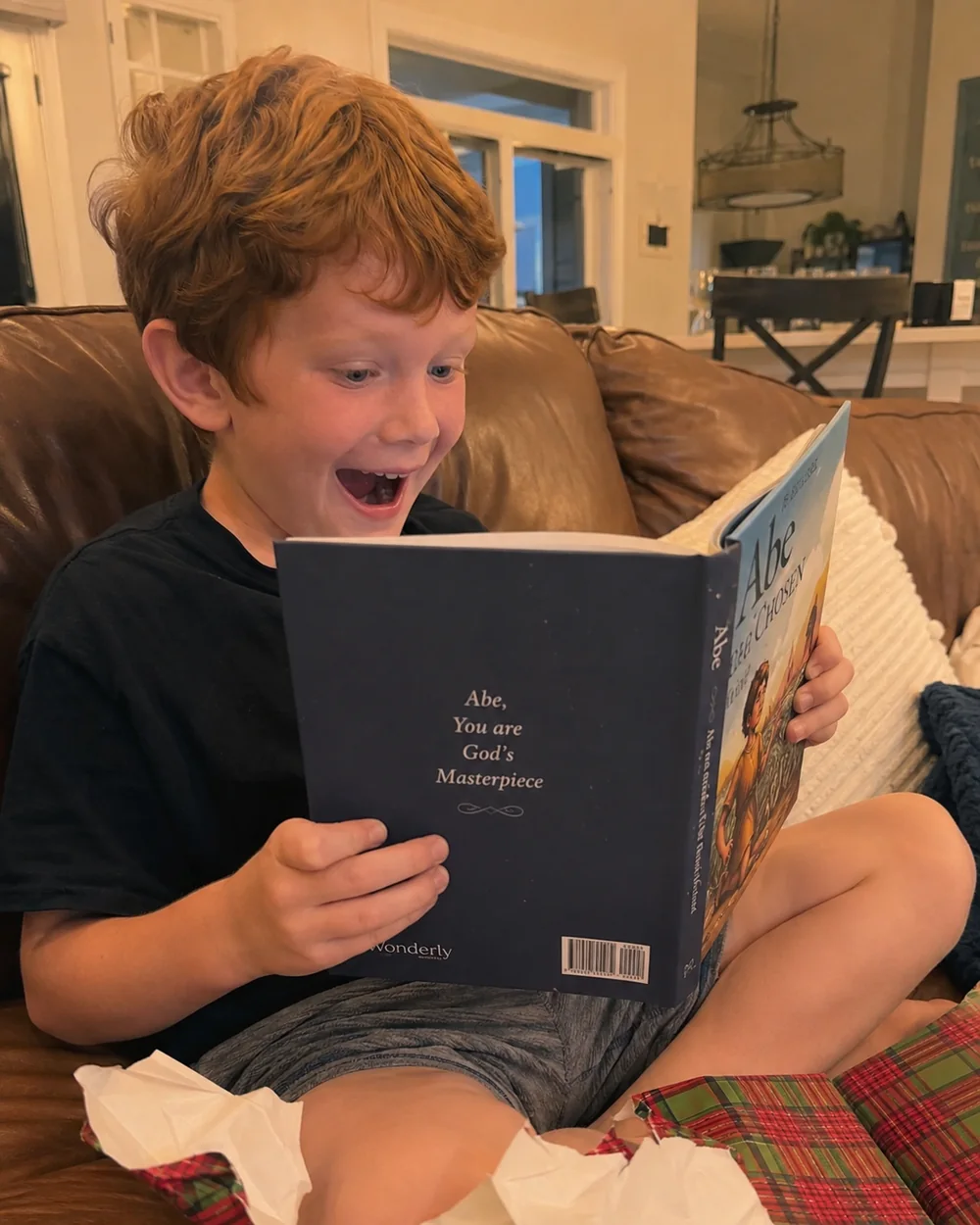
Cuando abrí la historia, inmediatamente se reconoció.
Al principio se rió. Siguió señalando al personaje y diciendo: "¡Tiene mi cara!". Después se quedó en silencio, escuchando.
Aproximadamente a la mitad, me pidió que parara.
Miró la página y dijo: "¿Es valiente porque no tiene miedo?"
Le dije: “No, creo que es valiente porque tiene miedo, pero sigue adelante”.
Mi hijo miró fijamente la foto durante unos segundos y dijo: “¿Entonces puedo tener miedo en la escuela y seguir siendo valiente?”
Ese fue el momento.
Era lo que llevaba semanas intentando explicarle. De pronto, lo había entendido y me lo decía con sus propias palabras.
Terminamos la historia y hablamos sobre un paso valiente que podría dar el primer día. Decidió que su paso sería entrar al salón de clases sin tomar mi mano. Le dije que no tenía que demostrar nada, pero dijo que quería intentarlo.
La primera mañana de clases, me tomó de la mano durante todo el pasillo.
Cuando llegamos a su salón de clases, se detuvo. Pude ver sus ojos llenarse de lágrimas y, sinceramente, los míos también.
Luego respiró hondo, soltó mi mano y dijo: "Este es mi paso valiente".
Entró.
Me quedé en el pasillo, con ganas de llorar.
Esa tarde, lo primero que me dijo fue que había tenido miedo, pero aun así había sido valiente.
Los padres gastan mucho dinero buscando cosas que sus hijos realmente recuerden. No sé si mi hijo recordará cada página de esta historia cuando sea mayor.
Pero recordaré su mano soltando la mía.
Lo recordaré caminando por la puerta del salón de clases.
Y recordaré que, en un momento importante, una historia ayudó a mi hijo a creer que podía dar el siguiente paso.
Eso vale mucho más para mí de lo que pagué.